Nexus market filed as a leftover-office letter
A named office letter. Not a company site. Not a cart.
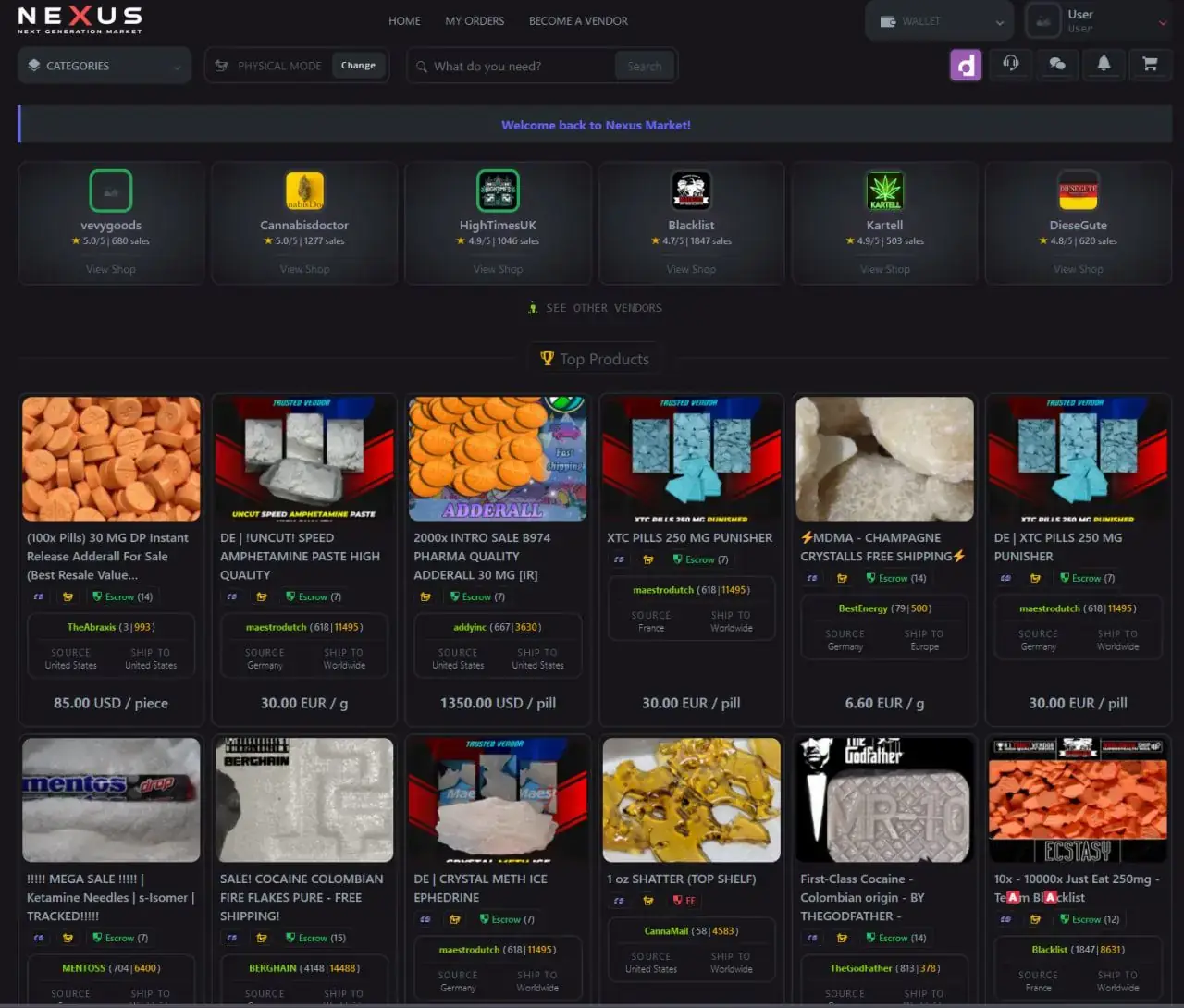
A search for nexus market often ends at a page that resembles a company brochure left online after the company moved offices. This hall records leftover-office chrome — navy navigation, restrained headings, a mid-2010s catalog — because appearance shapes recognition.
The photograph is a dated exhibit from 8 September 2026. It records one rendered interface, not who controlled the hidden-service key before or after the capture.
The Nexus letter is a design observation with three cited strings attached, not a branch office. There are no account prompts or payment instructions on the card.
How a varsity crest files leftover-office chrome
A leftover-office silhouette on this yearbook can establish a few limited facts: a browser rendered a page, the page used a particular visual system, and someone retained the image. It cannot establish continuous control of an address. The full uncropped still makes that evidentiary boundary visible; readers are studying a capture rather than entering a portal.
The navy utility bar feels familiar. Its links, tidy search box, and modest typography suggest administration without proving continuity. These ordinary front-end elements identify a visual family but cannot attest to the Ed25519 address beside them. Anyone with a weekend and a stolen stylesheet can cut the same office hang.
Dates keep this claim modest. The cited leftover-office letter for nexus market was recorded on 8 September 2026; it is not announced as permanent or current forever. Hidden-service addresses can rotate, and directories can preserve obsolete ones long after a change. Where no PGP-signed voucher from a previously trusted key exists, the listing can document a sighting but cannot manufacture a chain of trust. Corporate restraint is still cloneable; see offset for how copied slabs travel.
Boredom photographs as authenticity because cubicle chrome looks like it belongs in a filing cabinet. Keep the visual family named. Discard the implied corporate assurance. See shield if an empty inset felt like a completed audit.
A letter patch on leftover-office bands without a key
A nexus onion citation has fifty-six characters when it is a v3 address. That basic length check can reject an incomplete paste, but it cannot establish ownership. A lookalike generator can preserve an attractive beginning while changing characters that sit beyond a reader's quick visual scan. Comparison means reading the complete value against a source authenticated earlier, not recognising its first few letters.
Public-health context remains relevant even on a design-focused letter. Claims seen in product tiles are not laboratory reports, and ratings do not establish composition. Drug checking where available, access to naloxone, awareness of interactions, and avoiding solitary use reduce harms without validating any listing. The hall records those cautions without reproducing a shopping path. See sideline.
Readers can use the locker sheet to review client provenance. The ordering matters: a clean-looking brochure cannot repair an untrusted browser package, and a legitimate browser cannot decide which of two visually identical pages controls the expected hidden-service key.
Return to the letters index if you only needed to locate the subject. Stay for the overlay strings only if you intend to compare them, character by character, with a source you already trusted. See stitch if the count is the worry.
Yearbook notes on a catalog still that cannot audit stock
Cited strings are unverified overlays on this yearbook. A white URL is not a signature. Compare every character to a prior signed note, or treat the paste as a lookalike risk.
Cited overlay strings
- Cited string 1
http://nexus3patqbm54fjrqjrytpeev7mabzhvdqkfxuykplx673ctp76niqd.onion - Cited string 2
http://nexusg3tvj5ac2a2ghcstu4hejfl3xpthx43vd2lj7sfssmgg2m27nyd.onion - Cited string 3
http://nexuspsovjalesajprfapdxkhy7oqwfwtmll2t4adcdzb3xcagnao5qd.onion
The central problem with a nexus market catalog image is that a photograph freezes claims but not the machinery behind them. Rows may appear populated, badges may imply review, and navigation may suggest a mature operation. None of that lets an outside archive inspect stock, moderation, fulfilment, disputes, or the relationship between a displayed name and a signing key.
This card does not total products or repeat trust scores from the grid. Those figures were never audited here. The three cited strings are dated reports; an address from an advertisement begins a separate verification problem.
Affiliate copy around leftover-office chrome often treats boredom as a certificate. This listing records the aesthetic because it explains the clone: people trust documents that look like they belong in a cubicle. Boredom is not a signature. See hairline if a thin inner stroke felt like a completed office seal.
A lookalike that copies this letterman chrome and adds a cart is marking itself. The original refusal is the method. See committee if you needed who does not operate this hall.
Questions filed on this letter
Does a varsity crest on this leftover-office letter mean Nexus is reachable?
No. The cream-stroke plate is editorial. The capture is a dated exhibit. This listing does not operate a status lamp and does not inspect hidden-service uptime. A hung office silhouette is not a live locker.
How should a letter patch treat strings on this office letter?
Treat them as dated, unverified citations. Check all fifty-six characters against a PGP-signed statement from a key trusted before this visit. HTTPS on this archive does not sign those names.
What do yearbook notes say a leftover-office still can prove?
It documents typography, layout, and content visible at capture time. Those details are reproducible and do not bind an Ed25519 address, identify an operator, or verify the catalog shown below the navigation.
Close of hall
The leftover-company aesthetic is worth recording because it explains why a clone may feel established before a reader has examined any evidence. Keep the visual observation and discard the implied corporate assurance.
Future results for nexus market may reproduce the same navy bar more accurately than this photograph. That will not settle which key is expected. Use trusted client provenance, compare the entire cited address with a prior signed record, and stop when that record is missing.